
How LGBTQIA+ Experiences Differ Across Generations
A lot has changed since Stonewall. Marriage equality is the law of the land, queer people are represented on TV and in public life, and every day, it seems, the community is becoming more visible. The LGBTQIA+ community is more out than ever before, but that doesn’t mean the experience of being queer looks the same across all ages. Generational differences within the community are important, and they shape how people understand their identities, carry their histories, and navigate everyday life.
Identity Is More Fluid Now
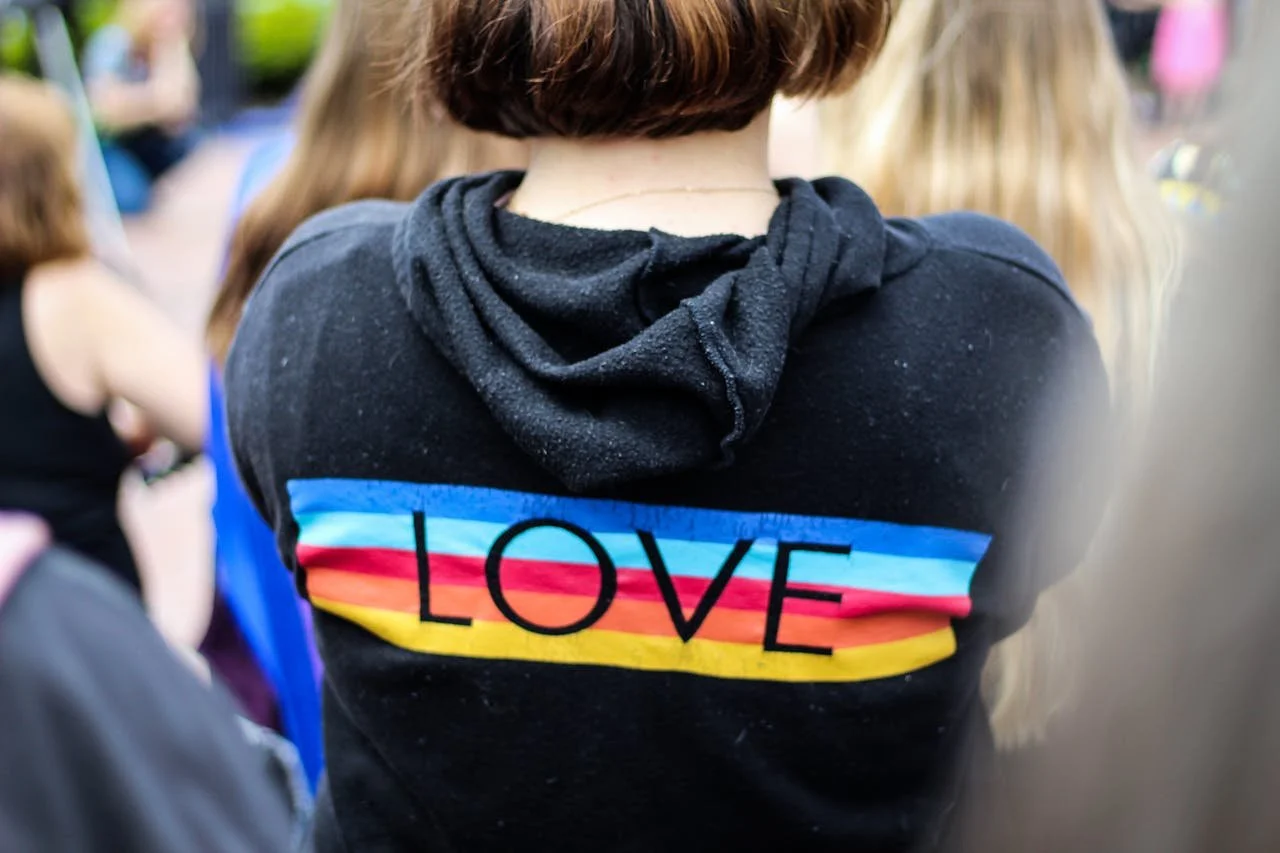
One of the biggest shifts in recent years is the fluidity of identity. Younger LGBTQIA+ people are more likely to identify as non-binary, asexual, or simply “queer” without needing to fit into categories like butch or femme. Some people move between identities or hold more than one at once, and that’s increasingly accepted.
This doesn’t mean older frameworks were wrong; they were often meaningful and necessary. But for many younger people, rigid categories can feel limiting. The expansion of language and identity options is genuinely freeing, even if it sometimes creates a communication gap between generations within the community.
Coming Out Earlier, But Not Without Risk
People are also coming out much earlier than they used to. In the Boomer generation, many LGBTQIA+ people didn’t come out until adulthood—sometimes not until midlife. Today, younger people are coming out in adolescence across the full spectrum of LGBTQIA+ identities, thanks in part to broader cultural acceptance and online communities that provide early visibility and language.
It’s important not to romanticize this, though. Coming out young is still risky depending on where you live, your family’s religious background, and your community. Young trans people in particular are navigating a political climate with real hostility, and that certainly has mental health consequences.
The Weight of Historical Trauma
One of the most profound generational divides involves the AIDS crisis. Older gay and bisexual people, and many lesbians who showed up as caregivers, lived through devastating loss. They had to use coded language, were often barred from being at a dying partner’s bedside, and fought for civil rights that younger generations can now take for granted. That trauma doesn’t disappear because the political landscape has shifted.
Younger LGBTQIA+ people carry different traumas. For trans and non-binary people especially, the current political climate brings real danger: legislative attacks on healthcare, public vitriol, and threats to personal safety are daily realities that carry their own psychological weight. Neither generation’s pain is more valid. They’re just different, and both deserve acknowledgment.
Transitioning Across Different Eras
For transgender people, generational experience can look dramatically different. Some people live their entire adult lives presenting as cisgender before transitioning in midlife. They’re navigating questions of identity, grief, and reinvention that are uniquely complex. Meanwhile, some younger trans people can come out and transition earlier, in some cases with family support and access to gender-affirming care that simply didn’t exist for previous generations.
Why This Matters in Therapy
These generational differences are clinically important. An older gay man’s relationship to his identity may be deeply shaped by losses that younger clients have no frame of reference for. A younger non-binary person needs affirmation of fluid identity rather than being fit into older categories. A middle-aged trans woman transitioning for the first time needs a different kind of support than a teenager navigating the same process.
Good LGBTQIA+-affirming therapy honors the progress, acknowledges ongoing struggles, and meets each person where they are.
Ready to Work with an Affirming Therapist?
At Heads Held High Counseling, we offer LGBTQIA+-affirming therapy for people of all ages and backgrounds. Whether you’re navigating identity, processing historical trauma, or looking for support in a complicated political moment, we’re here. Visit our contact page to schedule a free 15-minute consultation with one of our clinicians.
About the author

Will Dempsey, LICSW, is a mental health therapist and the founder of Heads Held High Counseling, based out of both Boston and Chicago. Will is a gender-affirming LGBTQ+ practitioner who sees individuals looking to overcome anxiety, depression, and trauma. He often uses EMDR, IFS, CBT, and expressive arts to assist his clients. All sessions are offered exclusively online.
